What You Need to Know About Monkeypox From the CDC
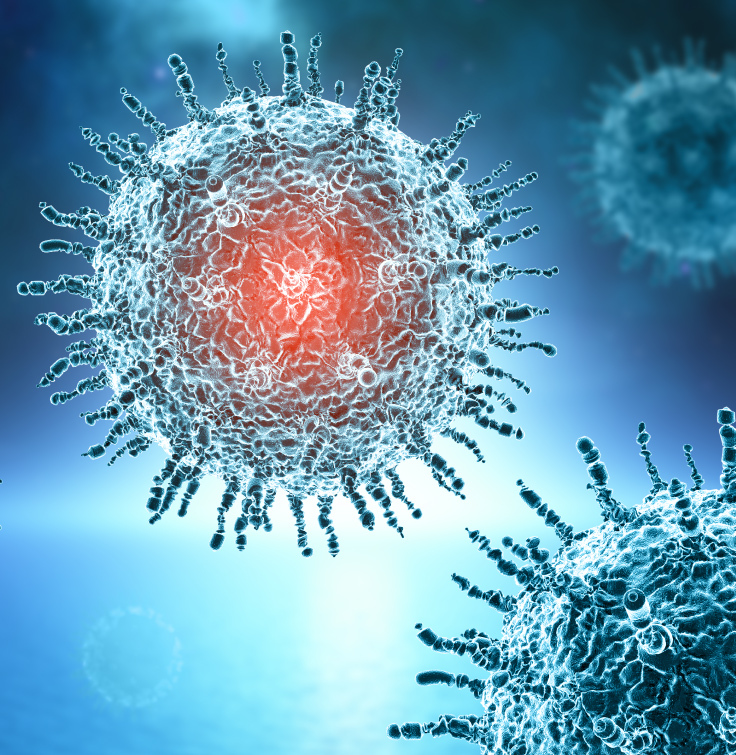
Having just waged a long battle against the COVID-19 pandemic, medical experts are now forced to quickly transition their attention to a new pathogen of concern: monkeypox.
Monkeypox is now spreading in countries that have never reported the disease in the past and this is undoubtedly a cause for concern. In this article, we’ll cover what the CDC has to say about monkeypox to help keep you safe and informed as this new virus continues to spread.
What is Monkeypox?
Unlike the SARS-CoV-2 virus, the monkeypox virus is not a newly-evolved pathogen. In fact, monkeypox was first discovered in 1958 among a colony of research monkeys, and the first case of monkeypox in humans was recorded in 1970.
Since then, monkeypox infections have been limited throughout countries in central and western Africa. Before 2022 any cases outside these countries could be directly linked to either international travel or animals that were imported from central/western Africa. Recently, though, medical experts began to see cases of monkeypox pop up throughout countries that have not historically reported the disease. The first confirmed case of monkeypox in the United States was reported in May 2022. As of now, there are 4,906 confirmed cases in the US and 22,485 cases across the globe.
What Are the Signs and Symptoms of Monkeypox?
Monkeypox comes from the same family of viruses as the variola virus – the virus responsible for causing smallpox. Fortunately, monkeypox is not as serious as smallpox and is rarely fatal. According to the CDC, common signs and symptoms of monkeypox infection include:
- Fever
- Headache
- Muscle aches
- Respiratory symptoms
- A rash on the face or body that looks like blisters or pimples
- Chills
- Exhaustion
- Swollen lymph nodes
These symptoms typically last 2-4 weeks, with the vast majority of those infected making a full recovery after this time period; according to the World Health Organization, the case fatality ratio of the 2022 monkeypox outbreak is between 3-6%.
How Does Monkeypox Spread?
According to the CDC, monkeypox is spread via close, personal contact. Sexual contact is the most common medium by which monkeypox is spread, but since the virus can be spread by non-sexual contact as well, monkeypox is not classified as an STD.
How is Monkeypox Treated?
The CDC states that there is no definitive way to cure or prevent monkeypox as a vaccine for the disease has not yet been developed. However, monkeypox shares genetic similarities with smallpox which may mean that the vaccines and antiviral drugs designed for treating and preventing smallpox could be effective at treating and preventing monkeypox as well.
How Big of a Threat is Monkeypox?
Monkeypox could be the next catalyst for a major global health concern, based on it’s current rate of transmission. However, there is good reason to believe that monkeypox will never reach the same level of threat as COVID-19.
The primary reason for optimism is the fact that it will likely be much easier to control the spread of monkeypox than it was to control the spread of COVID-19. For one, the symptoms of monkeypox become obvious before a person is contagious. This was not always the case with COVID-19, allowing people to spread the disease to others even if they were not yet symptomatic themselves. The fact that monkeypox can only be spread through skin-to-skin contact also makes it much easier to control than viruses that can be spread through airborne particulates. With that said, monkeypox is still a serious disease, and it is important to seek medical attention as soon as possible if you believe that you have been infected with the virus. If you would like to schedule an appointment for swift and reliable testing from St. Jude Labs, be sure to contact us today!