Gut-Friendly Foods: What are Prebiotics and Probiotics and How Can They Help You
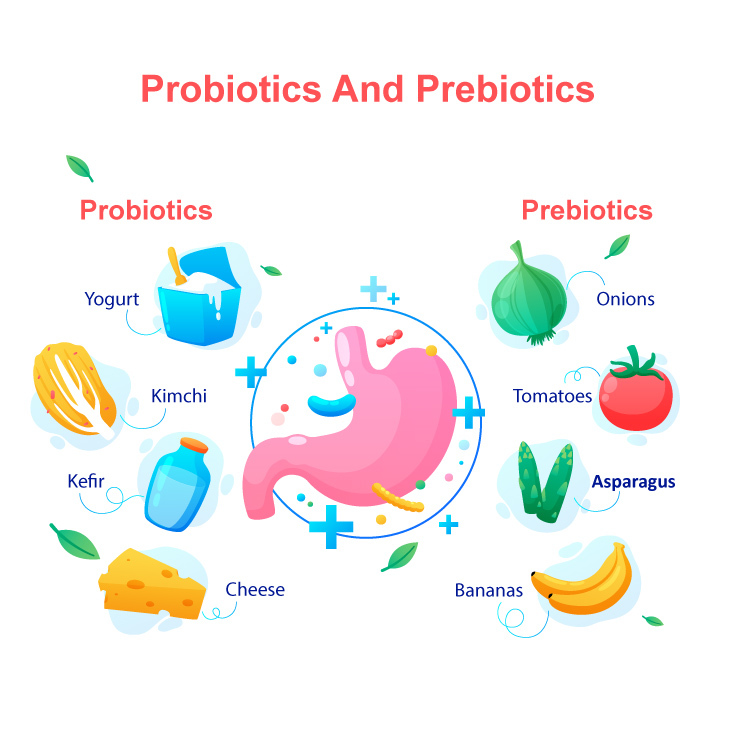
Prebiotics are foods that help the good bacteria in your gut grow. Probiotics are tiny living organisms, also known as “good bacteria,” that live in your gut. Prebiotics and probiotics both contribute to your overall gut health.
Your gut is a long tube inside your body that aids in food digestion and absorption of nutrients. It is critical to take care of your gut so that you can stay healthy. Eating food containing prebiotics and probiotics can help ensure that you have a healthy balance of good and bad bacteria.
What are Prebiotics?
Prebiotics are food that aid in the growth of good bacteria in the gut. These beneficial bacteria are important because they aid in digestion and keep you healthy (prebiotics act as specialized food for beneficial bacteria).
Banana, onion, garlic, asparagus, and whole grains are examples of prebiotic-rich food. Prebiotics can also be found in dietary supplements. Prebiotics have also been linked to weight loss and improved mental health in some studies.
What are Probiotics?
Probiotics are tiny living organisms, also known as “good bacteria,” that live in your digestive tract – they aid in the maintenance of a healthy balance of good and bad bacteria in your gut.
Probiotics can be found in a variety of food, including yogurt, kefir, sauerkraut, and pickles, and can also be taken as a supplement.
Probiotics can aid digestion, boost the immune system, and some studies suggest that they may reduce the risk of certain cancers and improve mental health. Probiotics help keep your gut healthy by maintaining the balance of good and bad bacteria.
Prebiotic and Probiotic Food Combinations
Yogurt, kefir, sauerkraut, and kimchi are examples of foods that contain both prebiotics and probiotics. Some supplements include both probiotics and prebiotics. Bananas, onions, and garlic are examples of fruits and vegetables that contain both prebiotics and probiotics.
Prebiotics and probiotics have been shown in recent research to have the potential to improve a variety of health conditions, including inflammatory bowel disease, obesity, and mental health disorders. As a result, they have gained popularity in clinical practice and are increasingly being used as a complementary (or even an alternative) approach to treating certain conditions.
Why are Prebiotics and Probiotics Helpful?
Prebiotics and probiotics can help keep your gut healthy by promoting the growth of good bacteria and balancing out the bad. Prebiotic and probiotic food can aid digestion, boost the immune system, and reduce the risk of certain cancers.
One of the potential drawbacks is that not all prebiotic and probiotic combinations are equally effective or safe, and more research is required to identify the most effective combinations for specific health conditions. Before making dietary changes (or taking supplements), consult with your doctor. They can help you make sure it’s safe for you and that you’re getting the right prebiotics and probiotics for your specific condition.